
|
Listen to this article
Getting your Trinity Audio player ready...
|
In the growing discourse around climate change, we often focus on rising temperatures and extreme weather events. However, beneath these headline-grabbing phenomena lies a more complex and troubling reality: the disproportionate impact of climate change on society’s most vulnerable groups. We must immediately address and understand this intersection of environmental and social vulnerability.
The Amplification of Existing Inequalities
Climate change increases existing social, economic and health inequalities. The risks are manifold for vulnerable populations:
- The areas they live in may lack adequate infrastructure, leaving residents vulnerable during extreme weather events.
- Indigenous populations, who rely heavily on their natural environment for sustenance and cultural practices, face the erosion of their traditional lands due to rising sea levels, deforestation, and changing weather patterns.
- Women and children often have less access to resources and decision-making power, further limiting their ability to adapt to climate change.
- The elderly and people with disabilities are at higher risk during extreme weather events. They may struggle with mobility or lack the necessary support systems to evacuate or seek shelter. In heat waves, for example, the elderly are more susceptible to heat-related illnesses, yet may live alone or in poorly ventilated homes without air conditioning.
The intersectionality of these vulnerabilities means that the individuals who belong to more than one of these groups, such as an elderly woman, face compounded risks.
Addressing the disproportionate impact of climate change on vulnerable groups needs targeted actions at multiple levels. At the local level, community-based adaptation strategies involve engaging vulnerable populations in the planning and implementation of climate resilience initiatives. For example, cities can create cooling centers in low-income neighborhoods to provide relief during heatwaves or implement early warning systems that are accessible to people with disabilities. Local governments can also retrofit infrastructure in vulnerable areas to withstand extreme weather events, such as building flood defenses or reinforcing homes against hurricanes.
At national levels, governments can ensure that the climate adaptation and mitigation funds are directed toward vulnerable communities. Governments can design protection programs, like cash transfers and food assistance, to respond to climate-related shocks, providing a safety net for those most at risk. Governments can also promote policies that enhance the resilience of vulnerable groups, such as affordable healthcare, housing, and energy services.
International organizations have a responsibility to support vulnerable groups in countries where the impacts of climate change are often most severe. Climate finance mechanisms can provide funding for adaptation projects in these regions, and global initiatives that facilitate technology transfer, capacity building, and knowledge sharing can further empower vulnerable groups to implement effective resilience strategies.
A Gender Lens: Women and Girls on the Climate Frontlines
Women and girls are often on the frontlines of climate change, facing greater risks and burdens, due to social, economic and cultural factors. In many communities, women are responsible for securing food and water for their families. These responsibilities become more dangerous and difficult as climate change intensifies and resources become scarcer.
A UNESCO report on the impact of climate change on education in Central America and the Caribbean, highlights the significant displacement due to climate change in the region. Environmental changes have forced many communities to relocate, often with little resources. In these situations, women and girls face unique challenges such as increased rates of gender based violence, discrimination, and disrupted access to education. In many cases, women and girls are forced to take on additional caregiving roles, which further limits educational opportunities and economic independence.
On a global scale, displaced women and girls face challenges that are worsened by overlapping issues of poverty, marginalization in decision making and control over land and resources. For example, in Jamaica, women make up 70% of the population living below the poverty line which makes them particularly susceptible to climate impacts. Many countries lack accurate recognition of how climate change and displacement specifically affect different genders.
Education is a critical tool for empowering women and girls and building resilience to climate change. However, in many countries, climate-induced displacement severely disrupts access to education. Schools are often destroyed or used as shelters during disasters, and displaced families may struggle to afford the costs associated with education.
To address these challenges, it is essential to integrate gender-sensitive approaches into climate resilience planning. Supporting community-based adaptation programs that empower women and girls to lead climate resilience efforts in their communities is essential. This includes ensuring that women and girls have equal access to education, healthcare, and economic opportunities, and that they have opportunities to actively participate in decision-making processes.
The Next Generation: Children in a Climate-Changed World
As global temperatures rise and extreme weather events become more frequent, children are among the most vulnerable to its devastating effects. Children are particularly vulnerable to climate change due to their specific developmental needs. They face unique challenges such as disruptions to education, increased exposure to health risks and the psychological impacts. Climate-related data and policies often underrepresent these challenges.
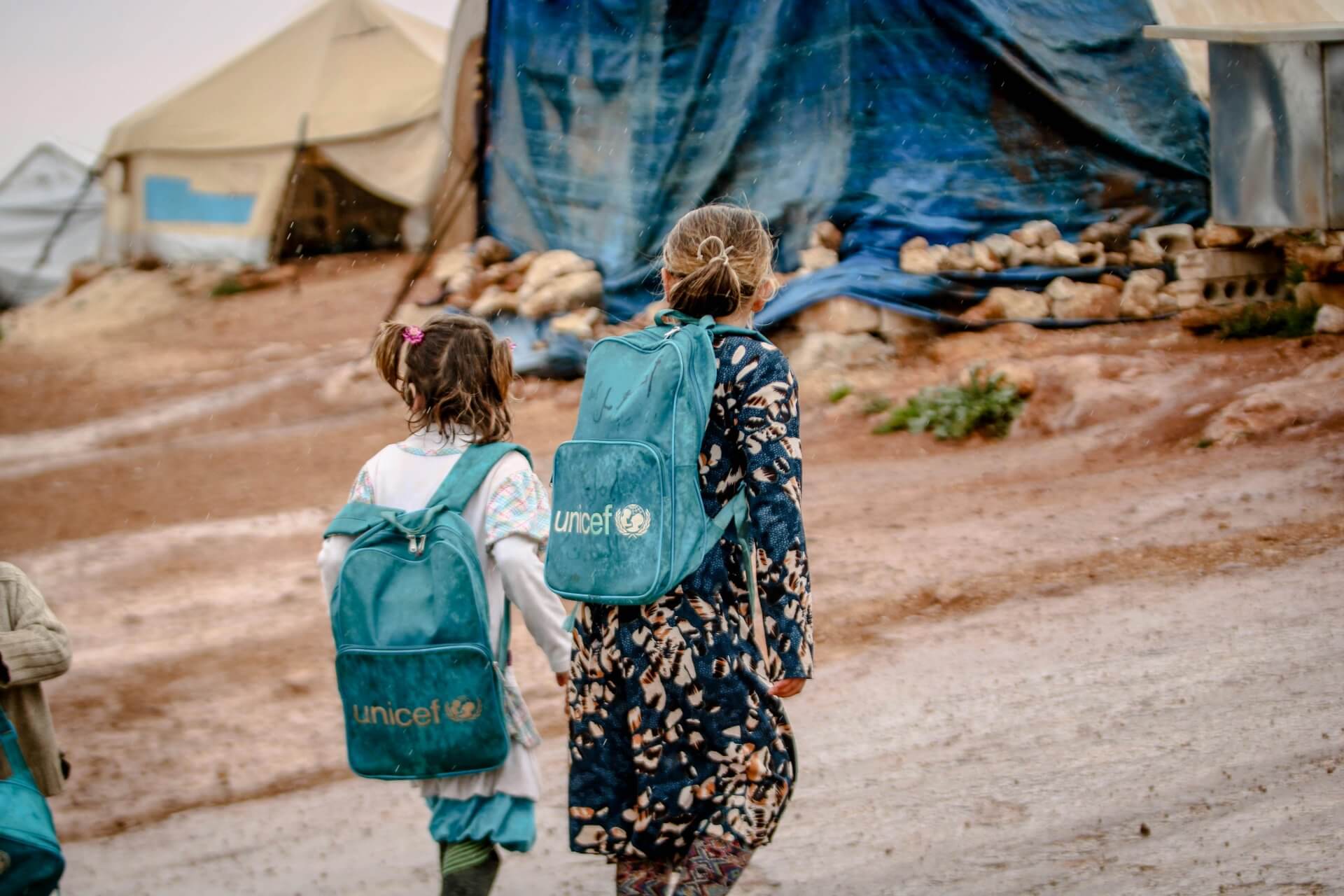 According to a comprehensive report by UNICEF titled The Climate-Changed Child, the impacts of climate change on children are profound, affecting their health, education, and overall well-being. Children’s developing bodies and immune systems make them more vulnerable to malnutrition and waterborne diseases, which are on the rise due to changing climate patterns. For example, droughts and floods can lead to food and water scarcity, significantly impacting children’s nutrition and health. Extreme weather events often destroy schools or force their conversion into temporary shelters, and disrupt children’s education for extended periods. In some cases, children are forced to drop out of school entirely, either because their families can no longer afford the costs associated with education or because they need to contribute to household income after climate-related disasters.
Furthermore, many overlook the psychological and emotional toll of climate change on children. The trauma of experiencing natural disasters, losing homes, and witnessing the destruction of their communities can lead to long-term mental health issues, including anxiety, depression, and post-traumatic stress disorder (PTSD). This report calls for increased attention to the psychological impacts of climate change on children and the development of support systems to help them cope with these challenges.
Building Resilience: A Multi-Level Approach
Addressing the impacts of climate change on vulnerable groups is not just a matter of environmental stewardship, but of social justice. Women, girls, indigenous communities, and other marginalized populations bear the brunt of climate-related challenges due to systemic inequalities and historical marginalization. These groups often have the least resources to adapt to changing conditions, thus becoming more susceptible to the adverse effects of climate change.
These challenges call for coordinated action across different levels of society. To create meaningful change, we must:
- Integrate the perspectives and needs of vulnerable communities into climate policies
- Ensure education curricula reflect these challenges and solutions
- Empower affected communities to lead in developing adaptation strategies
- Prioritize equity and climate justice in all response measures
By prioritizing equity and climate justice in our response to climate change, we can work towards a more inclusive and resilient future for all.
To learn more about the intersection of climate change and education, we invite you to read about ourAnalytical Framework and view ourClimate Change and Education Dashboard. Information on climate justice and equity is explored in the first blog post in this series, Warming World, Widening Gaps: Understanding Climate Justice and Equity.
This blog post was written in collaboration with Dania Zanaid and Jerusha Rainy Kannula from the UCLA Luskin School of Public Affairs.