
|
Listen to this article
Getting your Trinity Audio player ready...
|
While headlines often focus on household food waste in wealthy nations, the global food loss and waste crisis reflects deeper systemic challenges across the food system. The economic toll – $1 trillion annually, plus $700 billion in environmental costs and $900 billion in social costs – reveals a complex problem that impacts communities differently across the globe.
Understanding the Full Picture
Food loss and waste manifest differently across regions:
- In developing countries, up to 40% of losses occur at post-harvest and processing stages due to limited storage, poor infrastructure, and weak market linkages
- In contrast, high-income countries see 37% of food waste at the consumption stage, primarily in households and restaurants
- The environmental burden – 8-10% of global greenhouse emissions – often impacts vulnerable farming communities first
Systemic Challenges
The drivers of food loss and waste vary significantly:
- Limited cold chain infrastructure in rural areas
- Market access barriers for smallholder farmers
- Power imbalances in global supply chains
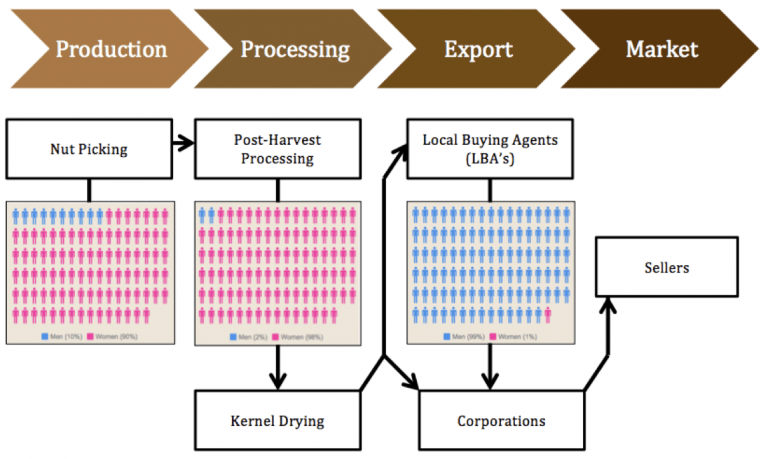
- Gender inequities in food systems
- Policy gaps in food security governance
- Climate vulnerability of agricultural communities
Moving Toward Solutions
Addressing food loss and waste requires interventions at multiple levels:
System Level
- Strengthening local market systems
- Investing in rural infrastructure
- Improving storage and processing facilities
- Supporting farmer cooperatives and associations
Policy Level
- Developing inclusive food security policies
- Supporting smallholder market access
- Promoting gender-responsive interventions
- Strengthening food safety networks
Community Level
- Building local storage capacities
- Enhancing market information systems
- Supporting women’s roles in food systems
- Developing community-based solutions
As we enter 2025, reducing food loss and waste requires understanding and addressing these interconnected challenges. Success depends on recognizing local contexts and developing appropriate solutions that work for different communities worldwide.
Explore the environmental and economic impacts of food loss and waste across the supply chain, from production to consumption, and discover key mitigation strategies for a more sustainable food system.