
|
Listen to this article
Getting your Trinity Audio player ready...
|
The Growing Climate Challenge in Education
Climate change poses a growing threat to communities worldwide, with educational institutions being no exception. As extreme weather events become more frequent and severe due to the rise in greenhouse gas emissions, schools, colleges, and universities must prioritize climate resilience planning to protect students, staff, and infrastructure. Educational institutions must integrate climate resilience into their curricula. This prepares the next generation to tackle climate change impacts head-on.
Building Climate Knowledge Through Education
Understanding Extreme Weather Events
Curriculum Content: Education institutions should introduce courses that teach students about the different types of extreme weather events—such as floods, fires, hurricanes, and droughts—and their connection to increased greenhouse gas emissions. Understanding the science behind these phenomena is essential for students to grasp the broader implications of climate change.
Local Context: Schools should tailor lessons to their local context, focusing on the most common types of extreme weather events and predicted climate impacts. For example, students in coastal regions might study the effects of rising sea levels and hurricanes, while those in arid regions might focus on droughts and wildfires.
Infrastructure Design: Schools should assess and upgrade their infrastructure to withstand extreme weather conditions by reinforcing buildings to resist high winds, floods, and earthquakes, as well as improving drainage systems to handle heavy rainfall. For example, in the Philippines, schools in coastal areas are being designed with elevated structures and flood barriers to protect against rising sea levels and typhoons.
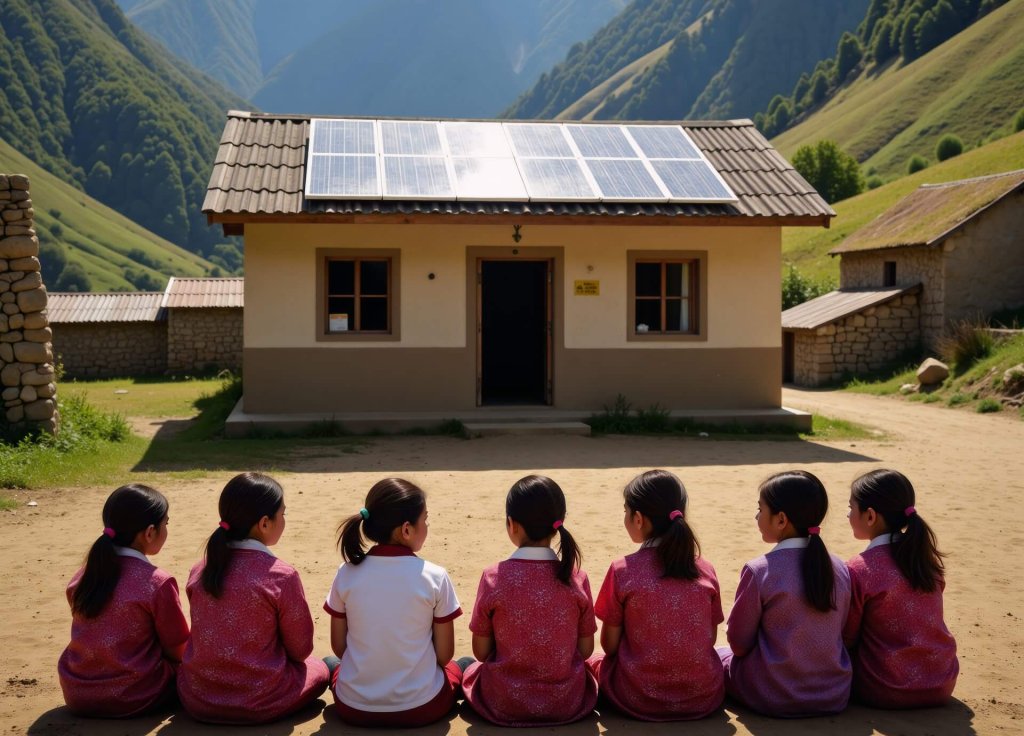
Green building standards: Incorporating green building standards, such as Leadership in Energy and Environmental Design (LEED), can enhance the sustainability and resilience of school facilities. These standards focus on energy efficiency, water conservation, and the use of sustainable materials, which contribute to both climate resilience and environmental education.
Psychological impact of climate change: The psychological impact of climate change on younger generations can be high as they feel overwhelmed by the magnitude of the crisis. Schools should incorporate mental health support into their climate resilience planning, providing students with the tools to manage anxiety and stress related to climate change. Response plans can help students feel empowered to take action against our changing climate.
Developing Response Plans
Action Items: Teachers should encourage students to develop action items to enact during emergencies. This could include steps for securing their homes, ensuring access to clean water and food, and understanding evacuation routes.
Group Work: Collaborative learning can be fostered by having students work in groups to create comprehensive response plans for different scenarios. This not only enhances their understanding of the material but also builds teamwork and problem-solving skills.
Creating Action-Ready Students
Emergency Drills: Regular participation in emergency drills is crucial for students to practice their response to extreme weather events. These drills should simulate real-life scenarios and provide students with hands-on experience in executing their response plans.
Investigating School Systems: Students should also investigate the existing emergency response systems in their school, such as fire alarms, evacuation routes, and communication protocols. Understanding how to access this information in an emergency is vital for ensuring safety.

Warning systems and Digital Tools: Schools should implement early warning systems and digital platforms that provide real-time information on weather conditions, allowing for the timely decision-making during extreme weather events. This can include mobile apps, weather stations, and digital alert systems. For example, in Japan, schools are connected to the national early warning system, providing alerts for earthquakes, tsunamis, and typhoons, allowing for immediate action to safeguard students and staff.
Linking Curriculum to Broader Climate Resilience Efforts
Educational institutions must align their resilience planning with broader community and national efforts. UNESCO’s Greening Curriculum Guidance emphasizes the importance of resilience building, which includes not only preparing for extreme weather events but also fostering a mindset of adaptability and proactive problem-solving in the face of climate change.
Beyond the Classroom: Community Impact
In New York City, some schools have partnered with local government and environmental NGOs to develop urban gardens that serve as both educational tools and community resources. These projects not only teach students about sustainable agriculture and food security but also contribute to the city’s broader climate resilience efforts by increasing green spaces that can absorb rainwater and reduce urban heat island effects. These collaborations show students how their studies directly impact their community
In the Maldives, the country facing severe threats from rising sea levels, schools have integrated studies on coastal erosion and marine conservation into their science and geography curriculum. Through focusing on local environmental challenges, students are better equipped to understand the direct impact of climate change on their surroundings. This approach also prepares them to participate in community-led initiatives, such as beach clean-ups and mangrove restoration projects, which are essential for mitigating these effects.
Educational institutions can also play a role in advocating for stronger climate policies at the local and national levels. By involving students in these advocacy efforts, schools can empower them to become active participants in shaping a more resilient future. High school students from Portland, Oregon, actively participated in city council meetings where the local government was drafting policies for reducing carbon emissions. Students from several schools came together to advocate for the inclusion of youth perspectives in the city’s Climate Action Plan. Their involvement led to the adoption of more stringent regulations on urban development, ensuring that new projects include green spaces and use sustainable building materials. This demonstrates how educational institutions can empower students to take an active role in shaping policies that directly affect their future.
Moving Forward: Continuous Adaptation
Climate resilience planning should be an ongoing process, with regular reviews and updates to response plans based on new information and changing circumstances. Schools should encourage a culture of continuous learning and improvement in their approach to climate resilience.
To learn more about the intersection of climate change and education, we invite you to read about our Analytical Framework and view our Climate Change and Education Dashboard.
Dania Zanaid and Jerusha Rainy Kannula from the UCLA Luskin School of Public Affairs contributed to this blog post.


