|
Listen to this article
Getting your Trinity Audio player ready...
|
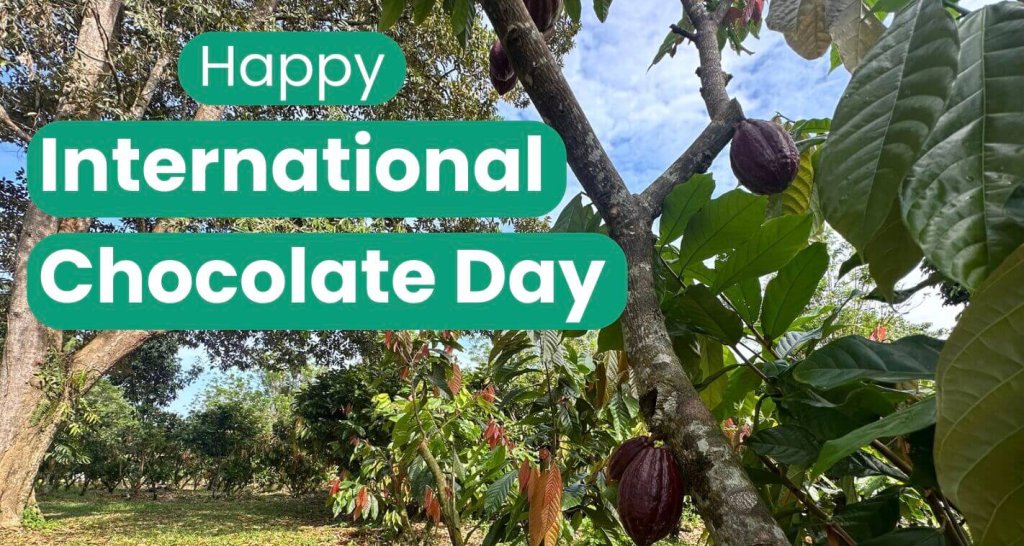
International Chocolate Day: Connecting Global Communities and Economies
For many of us, chocolate represents more than just a treat. Recent studies from the National Confectioners Association reveal that 72% of Americans consider chocolate and candy essential to their emotional well-being. Yet behind each chocolate bar lies a complex story of agricultural productivity, economic development, and environmental stewardship within the global cocoa value chain.
Meeting the Makers: Cocoa Farmers Around the World
While chocolate can be enjoyed as part of a balanced diet, it’s also vital to the environmental and economic health of communities worldwide. About 6 million smallholder farmers grow the world’s cocoa supply, and rely on cocoa for their livelihoods. On this International Chocolate Day, I4DI acknowledges these farmers’ indispensable role in sustaining the global cocoa industry. These farmers, primarily located in West Africa and Southeast Asia, face mounting challenges that threaten both their livelihoods and the future of chocolate production.
Global Challenges in Key Regions
Consider Ghana, one of the world’s leading cocoa producers. Despite the country’s prominent role in the global chocolate industry, many cocoa farming households struggle to make ends meet. Each family member typically lives on less than $2.15 per day. This income falls significantly short of what’s needed for a decent standard of living, highlighting a stark disparity between consumer enjoyment and producer welfare.
Similarly, in Indonesia, environmental challenges compound economic difficulties. Cocoa farmers increasingly grapple with erratic rainfall patterns and rising temperatures—direct consequences of climate change that affect both crop yields and household incomes. These environmental pressures underscore the urgent need for sustainable farming practices and income diversification strategies.
Solutions Taking Root: I4DI’s Impact on Sustainable Cocoa
Fortunately, innovative programs are emerging to address these challenges. I4DI leads two noteworthy initiatives: Cocoa Yiedie in Ghana and the Advancing Cocoa Agroforestry towards Income, Value, and Environmental Sustainability (ACTIVE) program in Indonesia. These projects take a comprehensive approach to supporting farmers through:
- Agricultural Innovation: Introducing improved farming techniques that enhance productivity while preserving environmental resources
- Financial Empowerment: Creating pathways for farmers to access essential financial services and capital
- Sustainable Land Management: Implementing practices that protect soil health and promote long-term environmental sustainability
The Path Forward in Cocoa Production
As global chocolate demand continues to rise, supporting these programs becomes increasingly crucial. Sustainable farming practices, agroforestry initiatives, and gender equality measures aren’t just ethical imperatives—they’re essential investments in the future of cocoa farming. Through partnerships with organizations like Mars, USAID, and The Livelihoods Fund for Family Farming (L3F), these programs are helping transform cocoa farming from a struggle for survival into a pathway to prosperity.
This International Chocolate Day serves as a reminder that every piece of chocolate connects us to a global community of farmers working to build a more sustainable future. Their success ensures not only the continued availability of chocolate but also the preservation of vital agricultural communities and ecosystems worldwide.
To learn more about I4DI’s work in sustainable cocoa value chains, visit our ACTIVE project page and our Cocoa Yiedie project page.
Note: This article draws from data provided by the World Cocoa Foundation, Cocoa Initiative, and National Confectioners Association.