|
Listen to this article
Getting your Trinity Audio player ready...
|
Exploring Circular Textile Solutions: The Environmental Impact of Your Wardrobe
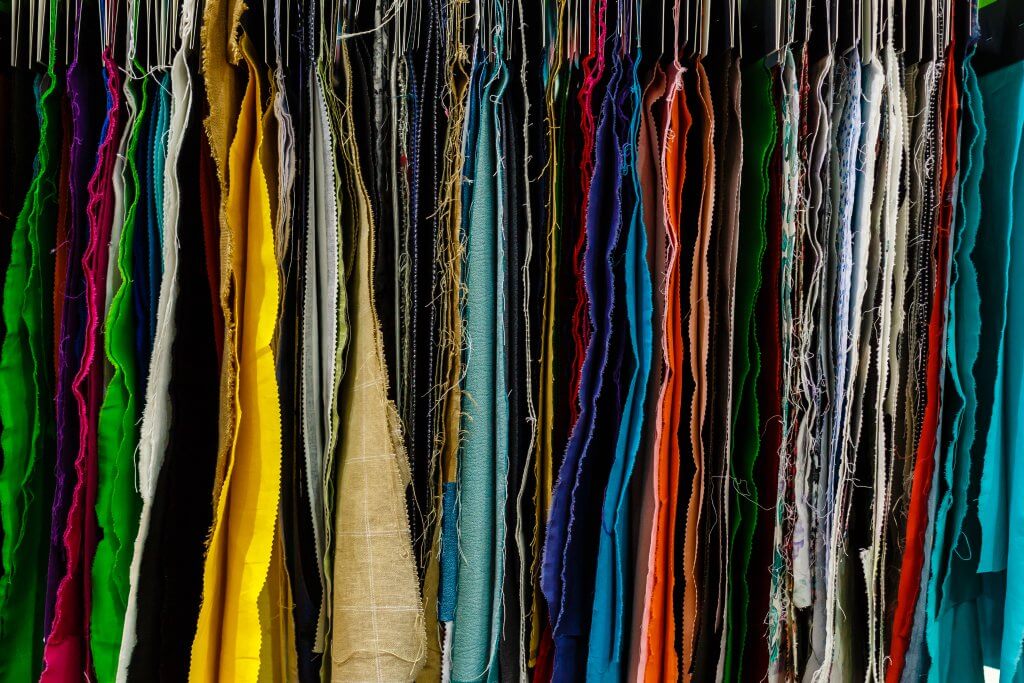
On World Circular Textiles Day, we face a critical moment to examine the clothes in our closets and their impact on our planet. Every piece of clothing we wear carries an environmental story. From the water used to grow cotton, to the energy consumed in manufacturing, and the waste generated at the end of its life cycle: our fashion choices have a big footprint.
Understanding the Challenge
The textile and fashion industry currently operates on a predominantly linear model. This creates significant environmental and social challenges that extend far beyond the visible price tag. Workers often face inadequate wages and challenging working conditions, while the industry’s “take-make-dispose” approach exacerbates global waste and environmental degradation. The numbers tell a sobering story: the fashion industry accounts for up to 10% of global carbon emissions and is the second-largest consumer of water worldwide.
However, a transformative solution exists in the concept of circularity. Circularity is a model that reimagines how we produce, consume, and reuse textiles in closed loops. This approach goes beyond simple recycling to fundamentally restructure how the industry operates. By designing products for longevity and reuse, implementing take-back systems, and developing innovative recycling technologies, we can create a more sustainable and equitable fashion ecosystem.
Collaborative Action for Change
At I4DI, we recognize that achieving this transformation requires collaborative effort and expertise. Through our partnerships with key stakeholders, we work to reshape sourcing practices and integrate circular principles throughout the value chain. Our approach focuses on creating measurable impact while considering both environmental and social factors.
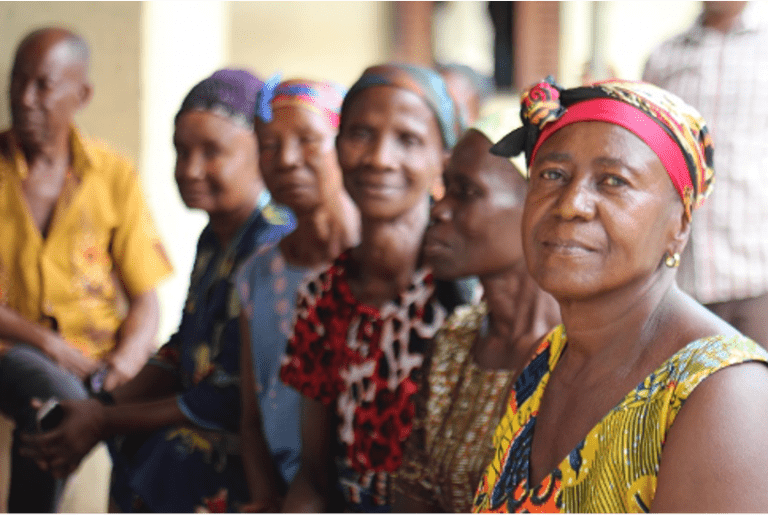
A prime example of this collaborative approach is our partnership with USAID and Gap through the Women + Water Global Development Alliance. This initiative demonstrated how addressing environmental challenges can simultaneously improve social outcomes, particularly for women in communities affected by textile production. The alliance worked to enhance water stewardship while empowering women through education and economic opportunities. To learn more about the outcomes of this work, we invite you to read our Women + Water endline study: https://i4di.org/pubs/womenwater-alliance-endline-study/
Creating a Sustainable Fashion Future
The transition to circular textiles requires action at every level, from industry leaders to individual consumers. Here are several ways the industry is evolving:
- Development of innovative recycling technologies that can separate and reprocess blended fabrics
- Implementation of water-efficient manufacturing processes
- Creation of transparent supply chains that enable better working conditions and fair wages
- Design for longevity and recyclability, moving away from fast fashion models
Moving forward, the success of circular fashion initiatives will depend on continued collaboration between industry stakeholders, innovative technological solutions, and conscious consumer choices. By supporting these transformative efforts, I4DI is contributing to a textile industry that serves both people and planet, creating lasting positive impact for future generations.
Learn more about the the social and environmental impacts of the textile industries here.
Note: this article draws on research from the Ellen MacArthur Foundation, Reuters, The Business of Fashion, and The National Institutes of Health.