|
Listen to this article
Getting your Trinity Audio player ready...
|
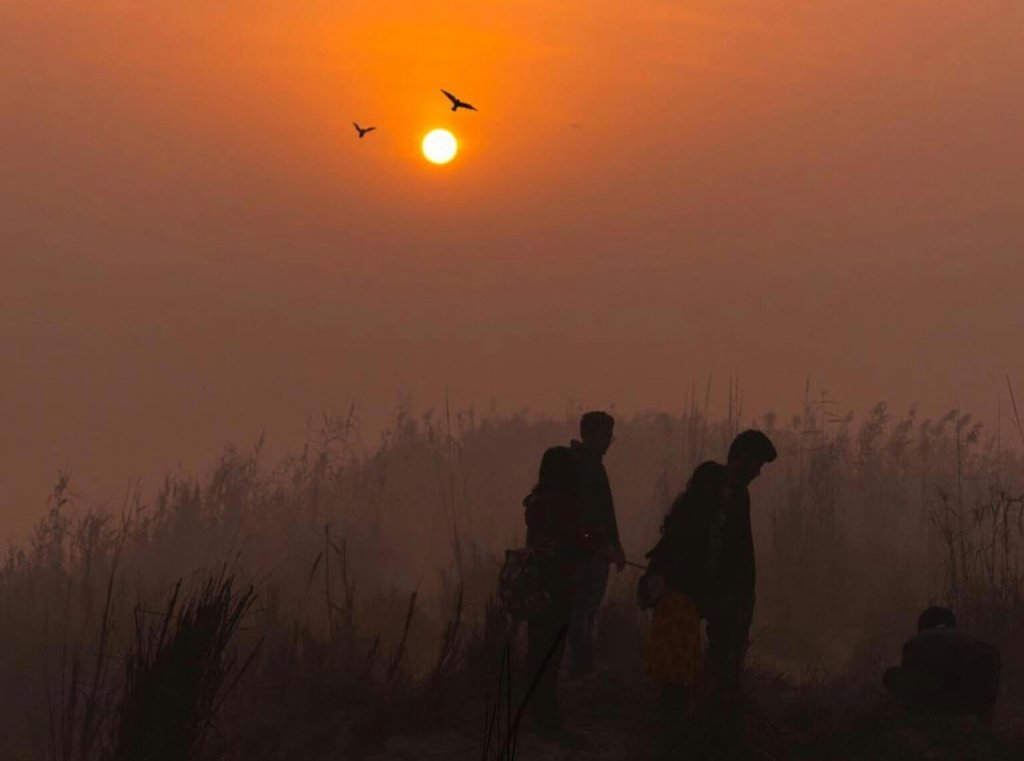
Climate-induced migration is a growing global phenomenon, increasingly driving migration and displacement globally. This creates profound implications for education systems. As extreme weather events, sea-level rise, and other climate-related hazards intensify, millions of people are forced to leave their homes in search of safety and stability. This movement often disrupts education for children and young people, posing significant challenges to achieving global educational goals.
The Scale of the Crisis
The Intergovernmental Panel on Climate Change (IPCC) claim that climate change will displace tens of millions of people by 2050. The impacts are particularly severe in vulnerable regions like the Global South. Here, resources to cope with such changes are limited. For instance, in sub-Saharan Africa and South Asia, climate-related displacement is already affecting large populations, putting immense pressure on local education systems.
A UNESCO report emphasizes addressing displaced populations’ educational needs to foster resilience and sustainable development. Disasters internally displaced 32.6 million people in 2022 alone. These individuals frequently experience successive displacements which further exacerbates their vulnerability. The report provides guidance to policy-makers on how to better respect, protect and fulfill the right to education of climate-displaced people.
Educational Implications of Climate Change-Induced Migration
Displacement disrupts education in multiple ways. Students who must migrate often face interruptions in their schooling, leading to significant learning gaps. While regions face unique displacement patterns, common educational barriers exist across countries. The UNESCO report highlights that displaced students encounter numerous barriers to accessing education, including:
- Lack of Infrastructure: Many schools in host communities are not equipped to handle the sudden influx of students. This can lead to overcrowded classrooms and strained resources.
- Language Barriers: Displaced students often struggle with language differences, making it difficult for them to engage with the curriculum and communicate with teachers and peers.
- Psychological Trauma: The stress and trauma associated with displacement can hinder students’ ability to concentrate and learn effectively.
- Economic Challenges: Displacement often leads to economic hardship, forcing children to drop out of school to work and support their families.
Regional Impact: Asia-Pacific Case Study
The Asia-Pacific region provides a stark example of how climate change and displacement impact education. According to UNESCO’s regional synthesis, climate-induced disasters affect millions of children in this region each year. Floods, cyclones, and other extreme weather events regularly displace families, disrupting children’s education. In response, some countries have developed emergency education plans, but the scale of displacement often overwhelms these efforts.
Building Solutions: Policy and Community Support
Addressing the educational needs of displaced populations requires coordinated policy and community support. Governments, NGOs, and international organizations must work together to create inclusive education systems that can adapt to the challenges posed by climate-induced displacement. Key strategies include:
- Flexible Learning Options: Implementing flexible learning modalities, such as online education and mobile schools, can help ensure continuity of education for displaced students.
- Language and Cultural Support: Providing language classes and cultural orientation programs can help displaced students integrate into new educational environments.
- Psychosocial Support: Schools should offer counseling and support services to help students cope with the trauma of displacement.
- Capacity Building: Investing in teacher training and school infrastructure is essential to accommodate the needs of displaced students.
Policies must be improved to include a clear definition of climate refugee. Reforms to the Disaster Risk Reduction policies, must ensure access to education in their response plans with the same urgency as providing food, shelter and healthcare while prioritizing responses to already vulnerable learners such as women, children, youth and ethnic, religious minorities.
Non-governmental organizations (NGOs) play a critical role in supporting displaced students through:
- Curriculum development
- Teacher training
- Educational resources”
For example, organizations like Save the Children work to build climate resilience through education, ensuring that displaced children can continue their schooling. NGOs can collaborate with governments to include more languages in their school mandates to accommodate newcomers, accommodate the needs of asylum seekers and refugees vs citizens in school syllabi, and support training teachers to provide psychological and academic support to students who have experienced hardships and traumatic events.
Climate change-induced migration and displacement present significant challenges to global education systems. It is multifaceted and manifests in various forms:
- International vs. internal movement
- Stem from sudden vs. gradual environmental changes
- Temporary vs. permanent displacement
Often, climate-induced migration intersects with conflict-driven migration, adding layers of complexity to identification and response efforts. Official and coordinated data collection on climate-displaced individuals remains insufficient. By recognizing the scale of the problem and implementing targeted policies and support mechanisms, we can help ensure that displaced learners continue to have access to quality education. Building resilient education systems requires collaboration between governments, NGOs, and international organizations.
To learn more about the intersection of climate change and education, we invite you to read about our Analytical Framework and view our Climate Change and Education Dashboard. Information on climate justice and equity is explored in the first blog post in this series, Warming World, Widening Gaps: Understanding Climate Justice and Equity.
This blog post was written in collaboration with Dania Zanaid and Jerusha Rainy Kannula from the UCLA Luskin School of Public Affairs.