
|
Listen to this article
Getting your Trinity Audio player ready...
|
Climate change impacts are not just environmental – they are deeply social. While the effects of climate change are felt across the globe, its impacts are not felt equally across all communities. Understanding climate justice requires examining how climate change intersects with existing social inequalities.
This post introduces how climate change affects social vulnerability and inequity, previewing deeper analysis in the blog series.
Understanding Vulnerability in Climate Change
Vulnerability to climate change can be thought of as a complex web of interconnected factors. Geographic location is just one factor in why communities face climate challenges. Historical patterns of discrimination, economic inequality, and social marginalization create layers of vulnerability that compound the direct effects of climate disasters.
Consider how poverty shapes climate vulnerability. Families in flood-prone areas face immediate risks and struggle to recover due to limited resources. This creates a cycle where each climate-related disaster pushes them further into vulnerability.
The Faces of Climate Injustice
Understanding which groups face the greatest climate risks helps frame deeper discussions:
- Low-income communities in high-risk areas
- Indigenous peoples losing traditional lands
- Women and girls managing scarce resources
- Immigrants with limited support access
- Disabled and elderly individuals during disasters
- People of Small Island Developing states (SIDS) and the Least Developed Countries (LDCs).
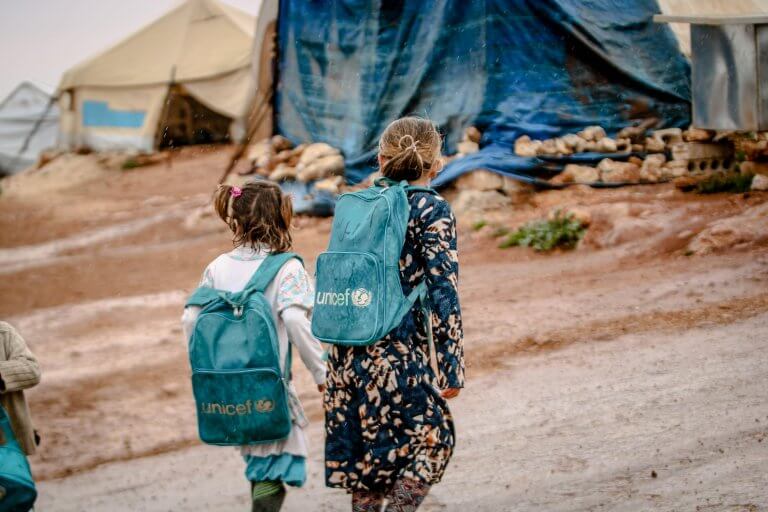
Despite having the least responsibility for the climate crisis, these populations face the greatest climate-related challenges. Further details on the specific challenges of vulnerable groups are explored in the second blog post in this series, Unequal Earth: A Deeper Look at Climate Change and Social Vulnerability.
An Educational Response to Climate Vulnerability
Incorporating climate justice into education is essential for raising awareness and empowering students to advocate for equitable solutions. The UNESCO Greening Curriculum Guidance emphasizes that climate education must include discussions on climate change’s differential impacts. By doing so, students can better understand the complexities of climate justice and the importance of supporting vulnerable groups.
When designing an educational response to climate change, UNESCO suggests the following curriculum areas:
- Understanding Climate Justice: Introduce climate justice by examining impacts on vulnerable groups.
- Intersection of Climate Change and Human Rights: Students should explore the relationship between climate change and human rights, learning how it threatens access to basic needs like water, food, and shelter
- Community-based learning: Students can gain hands-on experience through advocacy and partnerships with local NGOs. Field trips to impacted areas, such as flood prone regions or communities affected by industrial pollution, can also serve as key sources of knowledge for students.
- Policy and advocacy: Course content should include practical skills on analysis and critique of climate policies, giving students the opportunity to look at the effectiveness of policies in addressing the needs of vulnerable groups in their communities.
Moving Toward Policy Solutions
Beyond the classroom, addressing climate justice requires action at multiple levels. Governments must develop policies that specifically consider and protect vulnerable populations, following a few core considerations:
- Inclusive Policy Development: Ensure that climate policies are developed with input from the most affected communities. This can include holding public consultations and ensuring representation of vulnerable groups in decision-making processes.
- Targeted Climate Adaptation Programs: Implement programs specifically designed to help vulnerable communities adapt to climate change. These could include infrastructure improvements in low-income areas, targeted financial assistance, and the provision of essential resources like clean water and energy.
- Strengthening Social Safety Nets: Enhance social protection systems to support those most affected by climate change, including unemployment benefits, healthcare access, and housing assistance.
- Legal Protections for Climate Refugees: Create frameworks protecting displaced people’s rights to housing, education, and employment
Building a Just and Equitable Future
As we work to address climate change, we must remember that true solutions require commitment to climate justice and equity. By integrating these principles into education, we can empower the next generation to advocate for fair and inclusive climate policies. Through targeted actions, comprehensive curricula, and inclusive policies, we can build a more just and resilient world for all.
To learn more about the intersection of climate change and education, we invite you to read about ourAnalytical Framework and view ourClimate Change and Education Dashboard. Further details on the specific challenges of vulnerable groups are explored in the second blog post in this series, Unequal Earth: A Deeper Look at Climate Change and Social Vulnerability.
This blog post was written in collaboration with Dania Zanaid and Jerusha Rainy Kannula from the UCLA Luskin School of Public Affairs.